
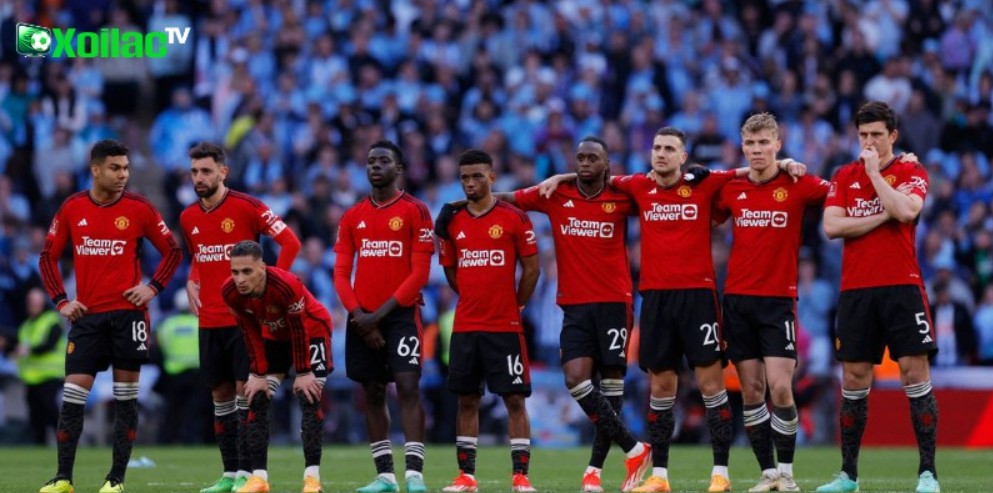
Manchester United continues to command attention in January 2026 with a strong presence in English and European football. From its legendary history to present-day challenges, the club’s journey is filled with iconic moments. Dive into the evolution, honors, and current squad updates of this football institution.
Watch trực tiếp bóng đá with full coverage of Manchester United matches
Manchester United’s evolution across football eras
From humble beginnings to becoming one of the most recognized clubs worldwide, Manchester United’s journey is a symbol of resilience and excellence. This section outlines the key periods that shaped the club’s identity and global influence.
Foundations and early growth
Soccer team was founded in 1878 as Newton Heath and officially adopted its current name in 1902. The club gained national attention by winning its first league title in 1908 and the FA Cup the following year. By the 1930s, Old Trafford was hosting over 40,000 fans per match.
Post-war challenges delayed progress, but the arrival of manager Matt Busby in 1945 marked a turning point. His youth-driven approach laid the groundwork for long-term dominance. Before the 1958 Munich air disaster, United had won two league titles and built a global fanbase.
The Ferguson dynasty
From 1986 to 2013, Sir Alex Ferguson transformed Soccer team into a football superpower. Under his management, the club secured 13 Premier League titles, 5 FA Cups, and 2 Champions League trophies. In one season alone, they scored over 90 goals in domestic competition.
Ferguson’s legacy was built on tactical adaptability and talent development, including stars like Ryan Giggs and Cristiano Ronaldo. His teams regularly averaged more than 60% ball possession during their peak years. The treble-winning 1998–1999 season remains a historic benchmark.
Post-Ferguson transition
Following Ferguson’s retirement, United experienced managerial turnover and tactical inconsistencies. Between 2014 and 2023, six different managers took charge, with mixed results across competitions. Match performance varied, with goal differences fluctuating across seasons.
Despite challenges, the club invested heavily in player recruitment, including record signings and international stars. Attendance at Old Trafford remained among the highest in Europe. Strategic restructuring in the 2020s laid the foundation for rebuilding the club’s competitive edge.
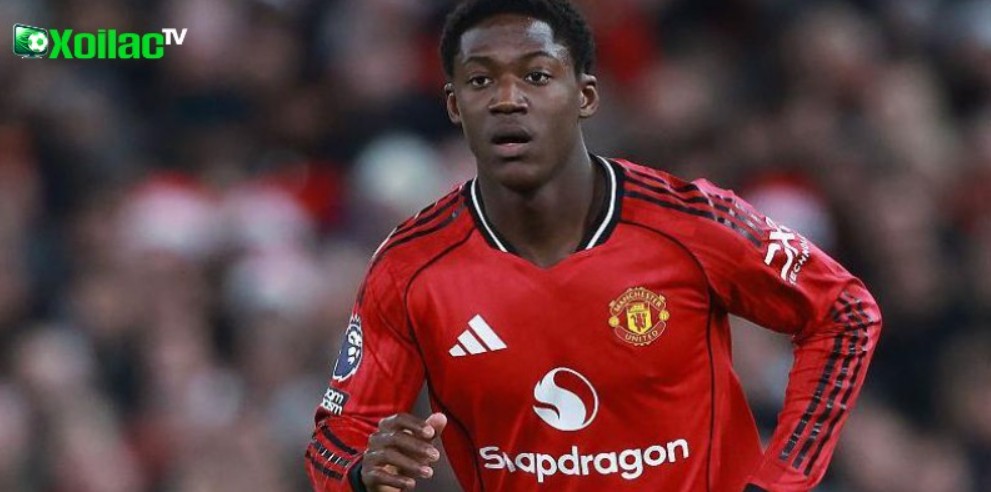
Manchester United’s major achievements in English football
Throughout their storied past, Manchester United have amassed one of the most impressive records in England. This section highlights the club’s historic victories and impact across domestic and continental competitions.
Long-term supremacy in national competitions
Manchester United have won 20 English league titles, the most in the top division. They’ve also lifted 12 FA Cups and secured 6 League Cup victories, showcasing decade-spanning excellence. In several seasons, their win rate at Old Trafford exceeded 75 percent.
The club’s consistency is reflected in their long unbeaten home streaks, particularly during the 2000s. Defensive partnerships, like Vidic–Ferdinand, helped maintain clean sheets across multiple campaigns. The team’s pressing style under Ferguson changed Premier League tactics for years.
European triumphs and influence
United won the European Cup in 1968, becoming the first English team to do so. Later victories in 1999 and 2008 solidified their legacy on the continental stage. Their 2008 final against Chelsea ended in a dramatic penalty shootout win.
In UEFA competitions, the club has reached 5 Champions League finals and several Europa League semifinals. European nights at Old Trafford continue to attract global audiences. The team’s UEFA coefficients consistently rank them among the top ten clubs.
Youth academy and global reach
Soccer team’s youth academy has produced countless stars, including the Class of ’92. Players like Paul Scholes and David Beckham were promoted directly into the first team. The club has fielded an academy graduate in every matchday squad since 1937.
Globally, United have fan bases in over 190 countries and commercial deals across all continents. Shirt sales and social media engagement rank among the highest in football. The club’s pre-season tours regularly attract more than 50,000 fans per match.
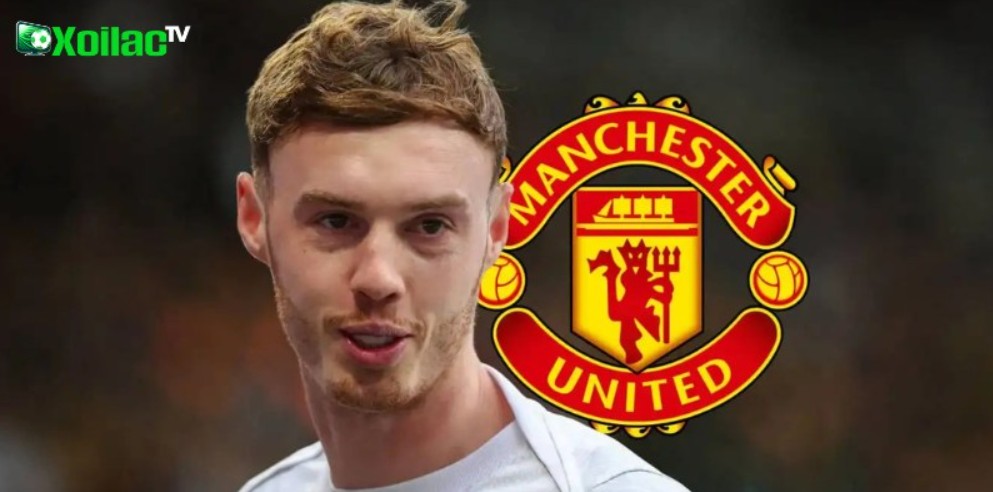
Manchester United’s current 2026 squad overview
With January 2026 underway, Manchester United’s current lineup blends youth, experience, and international flair. This section details the team’s key players, tactical trends, and evolving strategies this season.
Core contributors and leading performers
The 2026 squad features key figures such as Bruno Fernandes, Rasmus Højlund, and Lisandro Martínez across all competitions. Midfielders like Kobbie Mainoo and Scott McTominay have stepped into leadership roles with consistent match contributions. New signings in defense and attack have added pace, physicality, and depth to an evolving tactical setup.
Bruno remains the creative engine, averaging 2.3 key passes per game across domestic and European fixtures. Højlund has improved his conversion rate, netting 9 goals in his last 14 matches, including three crucial openers. Martínez continues to anchor the backline with strong aerial duels, aggressive tackling, and smart positioning inside the box.
Tactical setup and formations
United often alternate between a 4-2-3-1 and 4-3-3, depending on match intensity, player availability, and opposition tactics. The system emphasizes wide overloads, diagonal combinations, and quick transitions from midfield through central lanes. Possession statistics show the team holds an average of 57 minutes per game across all competitions.
Wing-backs play a critical role in stretching the field and offering diagonal options for midfield link-ups. Pressing triggers are often initiated by the front line, led by Garnacho and Rashford during early-phase pressing. Midfield rotation allows for fluid control, minimizes fatigue, and maintains shape late in matches.
Bench depth and emerging talents
The bench includes versatile players like Amad Diallo, Hannibal Mejbri, and Álvaro Fernández, who bring tactical flexibility. These younger names contribute energy, tempo changes, and creative spark when substituted in high-stakes situations. In the last five games, substitutes have been directly involved in 4 goals, including key assists.
Injuries remain manageable, with the medical team reporting recovery within 10–14 days for most soft-tissue cases. Training sessions prioritize rotation, player-specific load management, and integrated recovery to maintain freshness across competitions. Youth academy graduates continue to be called up for first-team exposure throughout the season’s busy periods.
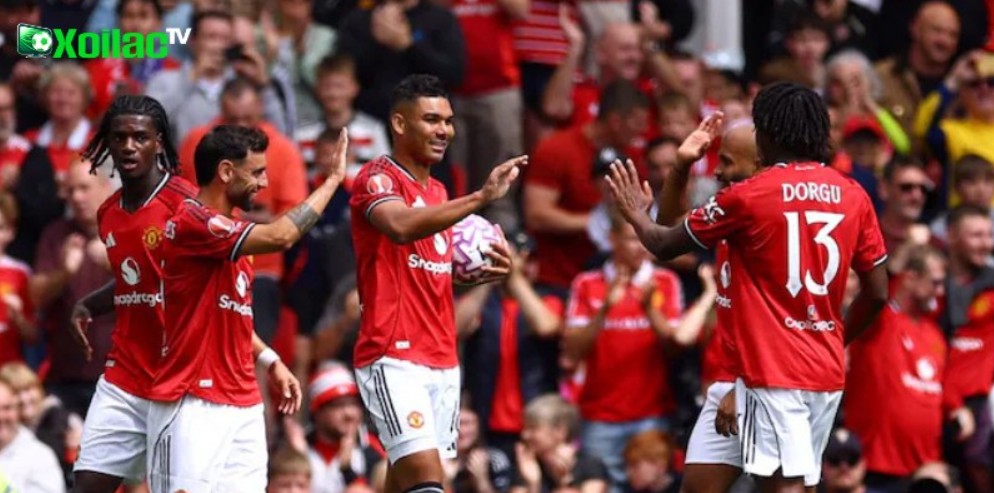
For the latest football news and updates, visit https://www.madeinbrazilblog.com/tin-tuc-bong-da/
Conclusion
Manchester United enters 2026 with a clear ambition to combine heritage and modern football demands. From historic dominance to an evolving squad, the club continues to adapt and compete at the top. Follow their progress this season and witness the next chapter of Red Devils football.